By Krista Mershimer, Education Director, Conservancy for CVNP
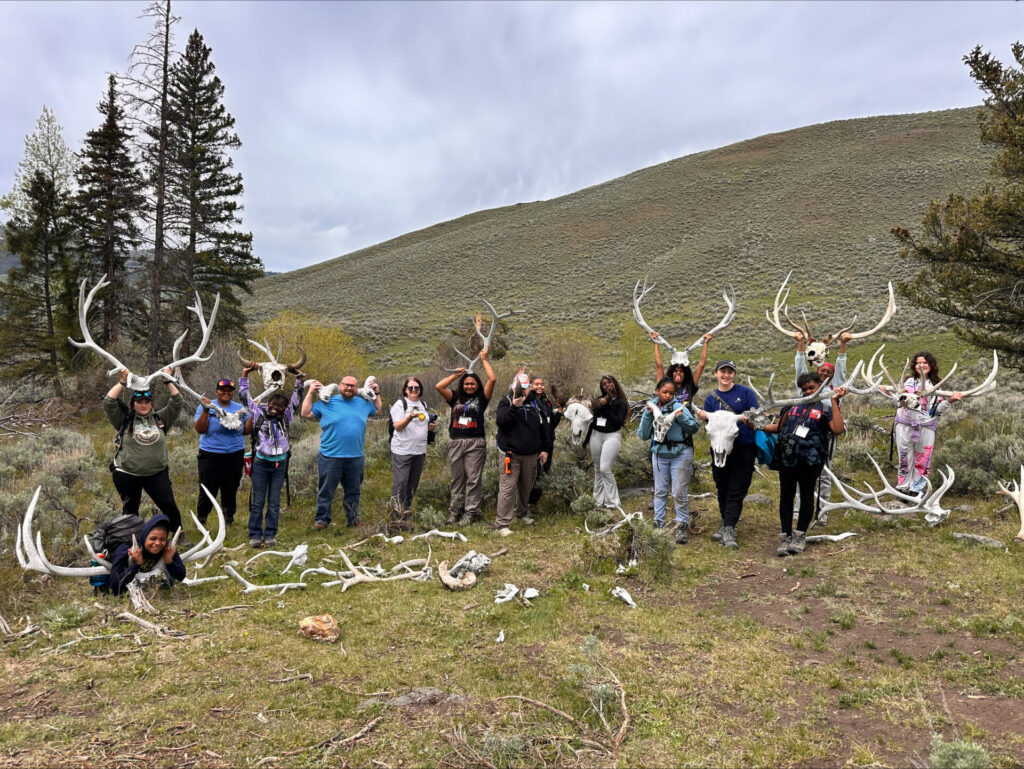
For ten young women from Willson Middle School in Cleveland Metropolitan School District, a recent trip to Yellowstone National Park represented far more than a chance to travel across the country. It was the culmination of a year-long journey of scientific exploration, community science, and nature journaling through the Environmental Community Heroes! program.
A second-year pilot program of the Conservancy for Cuyahoga Valley National Park, Environmental Community Heroes! helps students understand how observation and community science contribute to our collective understanding of the natural world. Led by educators Teresa Imm and Natalie Simmons, the program challenges students to think like scientists by carefully observing their environments, documenting their discoveries, asking questions, and sharing what they learn with their communities.
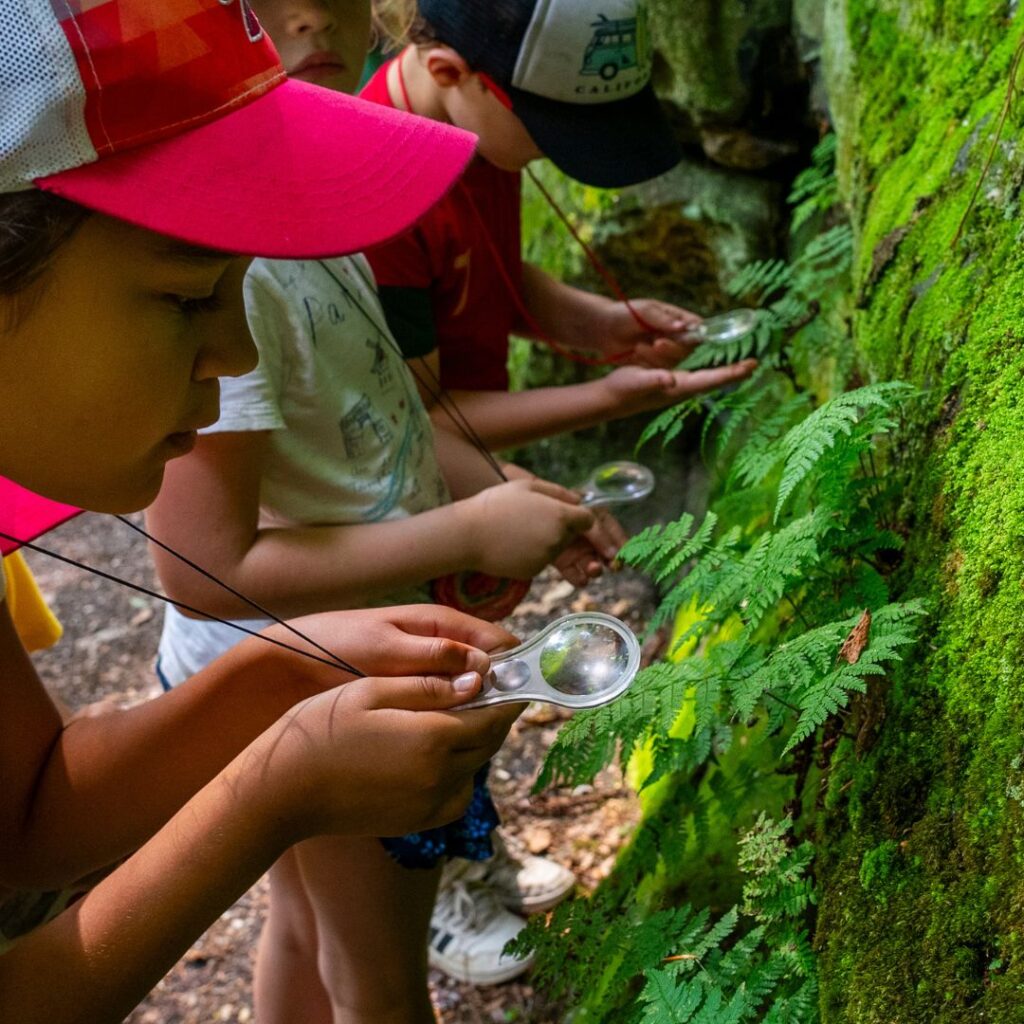
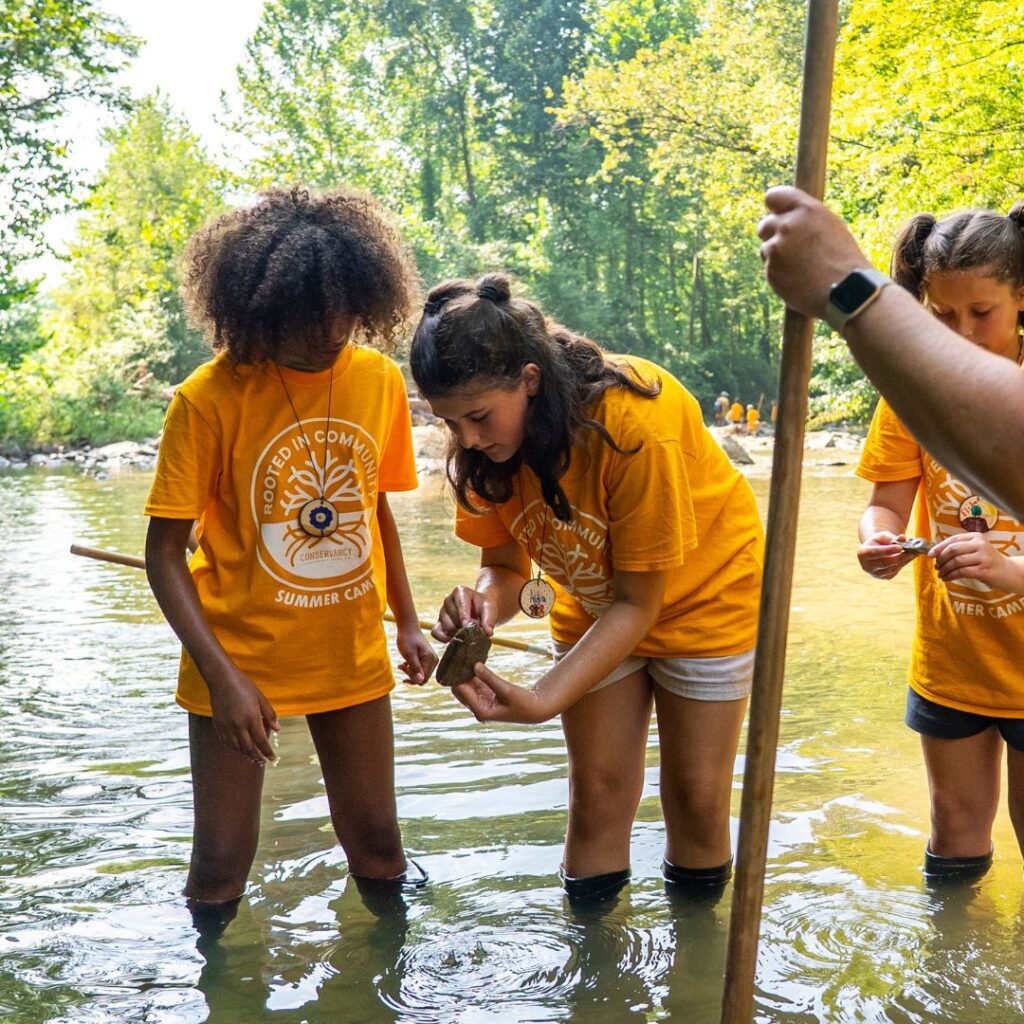
Throughout the school year, students explored their neighborhoods, local parks, and Cuyahoga Valley National Park, using nature journaling practices inspired by John Muir’s Law Books to deepen their observations and strengthen their connections to the natural world. With a focus on water and water quality, students learned that science begins with curiosity—the simple act of paying attention and asking questions.
Yellowstone National Park became the next chapter in that learning journey.
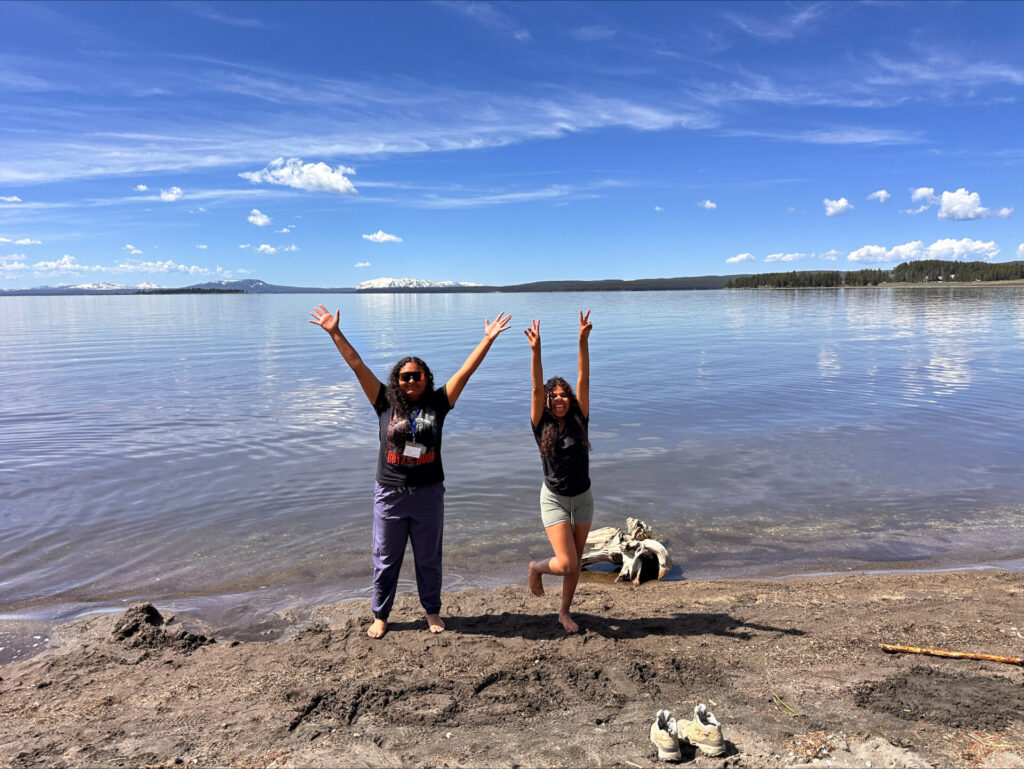
For many of the students, this was their first time leaving Ohio and their first visit to a national park outside of Cuyahoga Valley National Park. As they stepped into Yellowstone’s vast landscapes, they were able to connect the skills they had developed at home with one of the world’s most celebrated ecosystems.
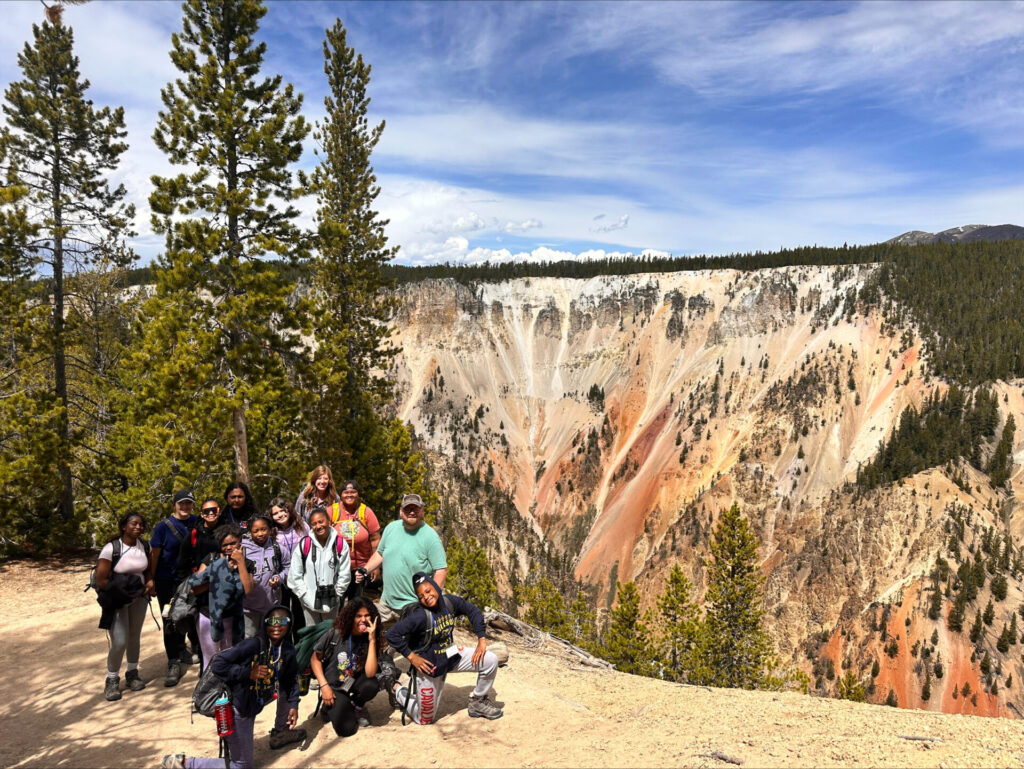
The students experienced many of Yellowstone’s iconic wildlife species, observing bison, elk, wolves, bears, and other animals in their natural habitats. These encounters provided opportunities to practice the same observation skills they had been developing all year, recording details in their journals and considering how each species contributes to the broader ecosystem.
One of the most memorable experiences was meeting with Yellowstone researchers Taylor and Jack Rabe, who shared their work studying the complex relationships among wolves, elk, and cougars. Students learned how scientists use observation, data collection, and critical thinking to better understand ecological systems and inform conservation efforts. The conversations brought classroom concepts to life and demonstrated how the skills students were practicing can lead to meaningful careers in science and environmental stewardship.
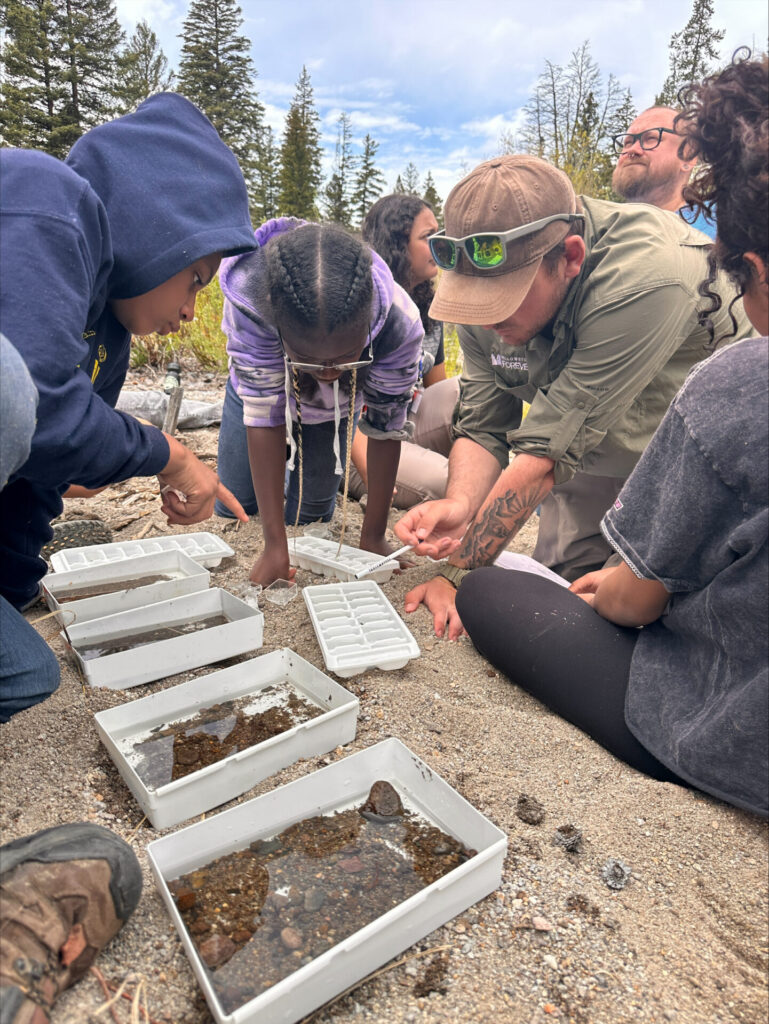
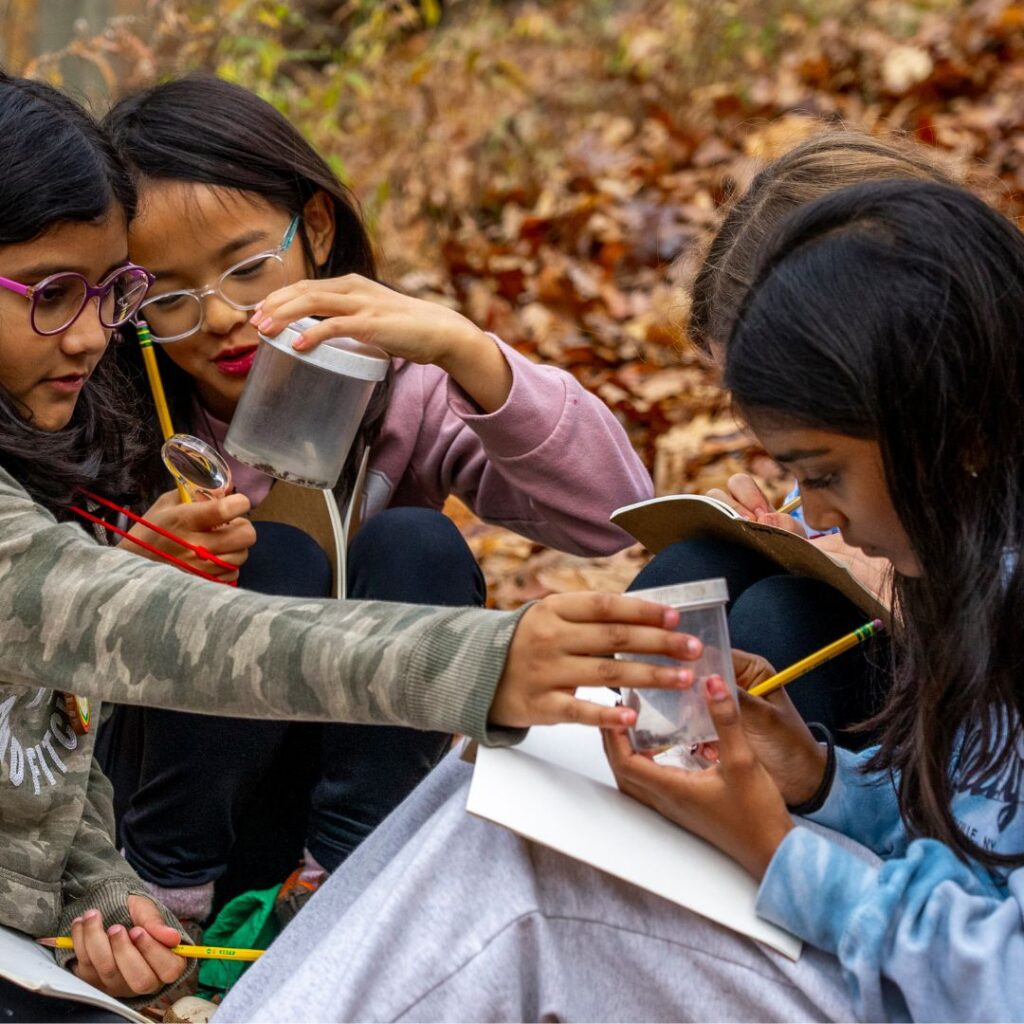
Throughout the trip, nature journaling remained at the center of the experience. Students filled pages with sketches, observations, questions, and reflections, documenting everything from wildlife sightings to geothermal features and mountain landscapes. Their journals became living records of discovery and evidence that science is not just about answers—it’s about noticing, wondering, and learning.
The program also intentionally highlighted environmental and park-related careers, helping students envision themselves as future scientists, researchers, educators, and conservation leaders. For these ten Black female students, seeing researchers in the field and experiencing science firsthand reinforced the idea that they belong in outdoor spaces, scientific careers, and leadership roles.
What began with observations in Cleveland and Cuyahoga Valley National Park ultimately connected students to the broader objectives of Yellowstone’s Junior Naturalist program and demonstrated the power of learning across landscapes. The skills they practiced at home—observation, curiosity, documentation, and reflection—proved just as valuable in Yellowstone’s wilderness as they were in their own communities
As students returned home to share their experiences with classmates, families, and community members, they carried with them more than memories. They brought back new perspectives, stronger scientific skills, and a deeper understanding that their observations matter.
Environmental Community Heroes! demonstrates that science can begin anywhere—from a neighborhood stream in Cleveland to a wolf sighting in Yellowstone. By empowering students to observe, question, document, and share, the program is helping cultivate the next generation of scientists, environmental stewards, and community leaders.
Are you an educator? Learn more about nature-based educational experiences at the Cuyahoga Valley Environmental Education Center (CVEEC).
Parents, give your child a summer filled with adventure, discovery, and fresh air! Check out summer camps offerings for June, July, and August.